

When a vehicle reaches the end of its usable life, many owners are unsure about what actually happens once it is taken away. Cars that no longer run, have been damaged in accidents, or are simply too old to maintain still contain valuable materials and components. Understanding the journey of a vehicle after it leaves your property can help clear confusion and highlight the importance of responsible vehicle recycling. This article explains the full process after a vehicle is collected, focusing on how professional services manage each stage carefully and legally. For vehicle owners using Car Removals Karratha, knowing these steps builds confidence that the process is safe, environmentally responsible, and beneficial for the local community. This explanation is provided with insight from WA Auto Removal, a business experienced in handling end-of-life vehicles across Western Australia.
The Initial Collection and Transportation Process
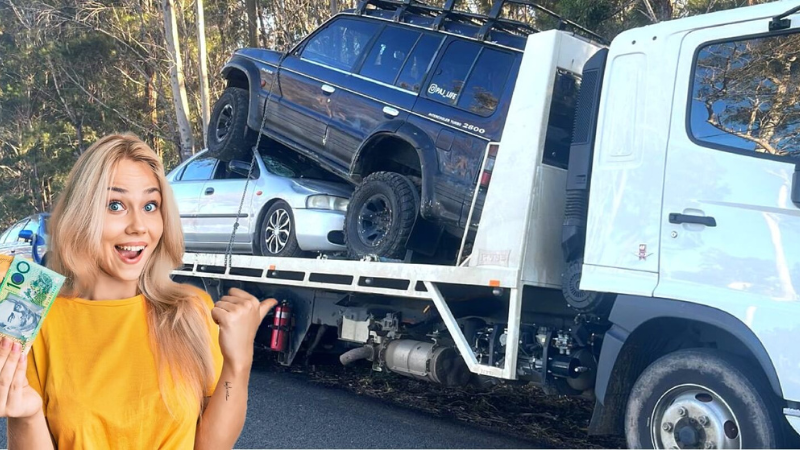
Once a vehicle is scheduled for removal, the first step involves safe collection from the owner’s location. The car is usually loaded onto a tow truck or transport vehicle designed to handle non-running or damaged cars. Care is taken to avoid leaks, spills, or further damage during loading. After collection, the vehicle is transported to a licensed facility where assessment and processing can begin. This transportation stage is crucial because it ensures the car is moved in compliance with safety and environmental regulations. Vehicles are not abandoned or dismantled randomly; instead, they are taken to controlled environments where proper equipment and trained professionals manage the next steps.
Inspection and Documentation at the Facility
After arriving at the processing yard, the vehicle undergoes an inspection. This inspection confirms the vehicle’s condition, identifies reusable components, and verifies ownership documentation. Proper paperwork ensures that the vehicle is legally transferred and deregistered where required. During this phase, professionals also assess whether certain parts can be resold or refurbished. Engines, transmissions, alternators, and other mechanical components may still hold value even if the car itself no longer operates. This inspection phase helps maximize the usefulness of each vehicle and reduces unnecessary waste.
Depollution and Environmental Safety Measures
One of the most important stages after a car is removed is depollution. Vehicles contain fluids such as engine oil, coolant, brake fluid, transmission fluid, and fuel. If released into the environment, these substances can cause serious harm. Trained technicians carefully drain all fluids using specialized equipment and store them in approved containers. Batteries are removed to prevent acid leaks, and airbags are safely deployed or neutralized. This stage ensures that hazardous materials are handled responsibly and do not contaminate soil or water sources. Depollution is a key reason why professional removal services are essential rather than informal disposal methods.
Dismantling and Parts Recovery
Once the vehicle is fully depolluted, dismantling begins. During this stage, reusable parts are carefully removed. Items such as doors, mirrors, wheels, electronics, and interior components may be salvaged if they are in good condition. These parts can later be cleaned, tested, and sold for reuse, extending their life and reducing the demand for new manufacturing. Metal components that cannot be reused are separated by type, such as steel or aluminum. This systematic dismantling ensures that as much of the vehicle as possible is recovered and repurposed rather than discarded.
Recycling and Material Processing
After dismantling, the remaining vehicle shell is prepared for recycling. The shell is often crushed or shredded to make transportation to recycling plants more efficient. At recycling facilities, advanced machinery separates metals from non-metal materials. Steel is commonly recycled and used in construction or manufacturing, while aluminum may be repurposed for automotive or consumer products. Recycling metals uses significantly less energy than producing new materials from raw resources. This process helps conserve natural resources and reduces greenhouse gas emissions associated with mining and production.
The Role of Responsible Recycling in Local Communities
Responsible car recycling plays an important role in supporting local communities. By ensuring vehicles are processed correctly, removal services help keep abandoned cars off streets and properties. This improves safety, reduces visual pollution, and supports cleaner neighborhoods. Recycling also contributes to local economies by creating jobs in transport, dismantling, and material processing. When vehicle owners choose licensed services, they support a system that benefits both the environment and the community as a whole.
Final Disposal of Non-Recyclable Materials
Not all materials in a vehicle can be recycled. Certain plastics, fabrics, and composite materials may not be suitable for reuse. These materials are separated and disposed of according to waste management regulations. Licensed facilities ensure that non-recyclable waste is handled in approved landfills or treatment centers. This controlled disposal prevents harmful substances from entering the environment and ensures compliance with local laws. Even at this final stage, care is taken to minimize environmental impact as much as possible.
Why Understanding the Process Matters for Vehicle Owners
Knowing what happens to a car after removal helps owners make informed decisions. It reassures them that their old or damaged vehicle is not simply dumped or mishandled. Instead, it becomes part of a structured process focused on safety, recycling, and sustainability. Understanding this journey also highlights the importance of choosing reputable services that follow legal and environmental standards. When owners are informed, they are more likely to select responsible options that align with long-term environmental goals.
The Complete Journey from Old Car to Reusable Resources
From collection to recycling, every stage of the vehicle removal process serves a purpose. Transportation ensures safety, inspection identifies value, depollution protects the environment, dismantling recovers useful parts, and recycling transforms waste into new resources. This complete journey demonstrates that an old car still has value beyond its final drive. For those using Car Removals Karratha, understanding this process shows how professional services turn end-of-life vehicles into opportunities for reuse and sustainability. With experienced providers like WA Auto Removal, vehicle owners can be confident that their cars are handled responsibly from start to finish.