

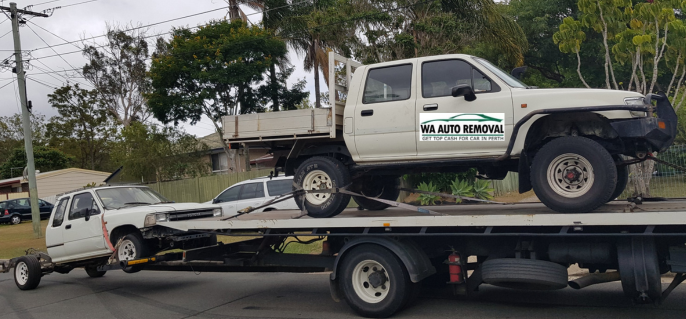
When a vehicle reaches the end of its useful life, getting rid of it does not have to mean sending the entire car to landfill. Modern auto wrecking and car removal services play an important role in recovering valuable materials, reusing vehicle components, and reducing automotive waste. As environmental awareness continues to grow, responsible vehicle recycling has become an increasingly important part of the automotive industry.
Professional auto wreckers help give unwanted and end-of-life vehicles a second life by dismantling them carefully and recovering components that can still be used. From metal and glass to tyres and mechanical parts, many materials found in old vehicles can be recovered rather than discarded.
What Is Auto Wrecking and Vehicle Removal?
Auto wrecking involves dismantling vehicles that are no longer suitable for regular use. These vehicles may be old, damaged, written off after an accident, or simply too expensive to repair. Instead of leaving them unused or disposing of them as general waste, auto wreckers assess the vehicle and identify components and materials that can be recovered.
Vehicle removal is often the first step in this process. An unwanted car can be collected from a customer’s property and transported to an appropriate facility, where it can be inspected, dismantled, recycled, or processed according to its condition.
This makes auto wrecking more than simply taking apart an old vehicle. It is part of a wider recycling process that can help reduce waste and make better use of existing resources.
Why Sustainable Auto Wrecking Matters
Millions of vehicles eventually reach the end of their useful lives, creating a significant amount of automotive waste. Simply abandoning or improperly disposing of these vehicles can create environmental problems because cars contain metals, fluids, batteries, plastics, tyres, and other materials that require appropriate handling.
Responsible auto recycling provides an alternative. Instead of treating an old vehicle as nothing more than waste, wreckers can recover useful materials and components. Reusing these resources can reduce the demand for newly manufactured materials and help limit the amount of waste entering landfill.
Sustainable auto wrecking therefore supports the principles of a circular economy, where products and materials are kept in use for as long as possible.
Recycling Metal From End-of-Life Vehicles
Metal is one of the most valuable recyclable materials found in vehicles. Cars contain significant amounts of steel, aluminium, copper, and other metals that can be recovered during the dismantling process.
Once separated and processed, recyclable metals can be used in the production of new products. This reduces the need to obtain the same materials entirely from new raw resources.
Recycling vehicle metal also means that an old car can continue to provide value even when it is no longer suitable for driving. Instead of allowing useful materials to go to waste, professional auto wreckers can recover and prepare them for recycling.
Reusing Quality Car Parts
Not every component of an old vehicle has reached the end of its useful life. Depending on the vehicle’s condition, many parts can be inspected, tested, and reused.
Components such as engines, transmissions, alternators, starter motors, mirrors, lights, wheels, body panels, and other parts may still be suitable for another vehicle. Reusing these components can reduce the need to manufacture replacement parts from new materials.
For vehicle owners, recycled or used automotive parts can also provide a practical alternative to purchasing brand-new components. This creates value for consumers while helping extend the useful life of existing vehicle parts.
Responsible Management of Automotive Fluids
Old vehicles contain several fluids that should not simply be released onto the ground or into drains. Engine oil, coolant, brake fluid, transmission fluid, and other automotive liquids can cause environmental contamination when they are handled incorrectly.
Responsible auto dismantling involves removing these fluids carefully and managing them through appropriate disposal or recycling processes. Proper fluid management helps reduce the risk of soil and water contamination and creates a safer working environment for people involved in vehicle dismantling.
This is one of the reasons why professional vehicle recycling is preferable to attempting to dismantle or dispose of an unwanted vehicle without the appropriate facilities and procedures.
Safe Handling of Batteries and Other Hazardous Components
Vehicle batteries and certain automotive components require careful handling. Batteries can contain substances that may be harmful to people and the environment if they are damaged, abandoned, or disposed of incorrectly.
Professional auto wreckers can separate batteries and other potentially hazardous components from vehicles and ensure that they are handled through appropriate recycling or disposal channels.
Safe handling is an important part of environmentally responsible auto dismantling because it helps prevent harmful materials from entering the soil, waterways, or general waste streams.
How Auto Wreckers Reduce Automotive Waste
One of the major environmental benefits of auto wrecking is waste reduction. Instead of disposing of an entire vehicle as one piece, professional dismantling allows different materials and components to be separated according to their potential use.
Usable parts can be recovered, recyclable metals can be processed, and other materials can be directed towards suitable waste-management streams. This approach helps maximise the amount of value that can be recovered from an end-of-life vehicle.
The result is a more efficient use of resources and less unnecessary automotive waste.
The Role of Technology in Modern Auto Wrecking
Technology is also changing the way the auto wrecking industry operates. Modern facilities can use digital inventory systems to record recovered components and make it easier to identify parts that are available for reuse.
Better equipment can also improve the dismantling process by allowing vehicles to be separated more efficiently. This can help reduce unnecessary damage to reusable components while improving workplace safety.
Technology can also assist with identifying vehicle parts, managing inventory, tracking materials, and organising recycling processes. These improvements allow auto wreckers to handle end-of-life vehicles in a more organised and resource-efficient manner.
Recycled Car Parts and the Circular Economy
The reuse of automotive components is closely connected to the idea of a circular economy. Instead of following a simple “make, use, and dispose” model, a circular approach aims to keep products and materials in use for longer.
When a quality used car part is recovered from an unwanted vehicle and fitted to another vehicle, the useful life of that component is extended. This can reduce the need for a new replacement part and make better use of resources that have already been extracted and manufactured.
Auto wreckers therefore have an important role to play in creating a more resource-efficient automotive industry.
Choosing a Responsible Auto Wrecker
If you are looking to dispose of an unwanted vehicle, choosing an experienced and responsible auto wrecker is important. Before arranging vehicle removal, ask how the company handles unwanted vehicles, whether usable parts are recovered, and how recyclable and hazardous materials are managed.
A responsible service should focus on appropriate vehicle dismantling, recycling, parts recovery, and waste management rather than simply disposing of vehicles as quickly as possible.
For vehicle owners, this provides greater confidence that their unwanted car is being handled through a more responsible process.
Auto Wrecking Can Give Old Vehicles a Second Life
An unwanted or damaged vehicle may no longer be useful as a complete car, but that does not mean everything in it needs to become waste. Its components and materials can continue to provide value through reuse and recycling.
From recovering spare parts to recycling metal and properly managing automotive fluids, responsible auto wrecking helps make better use of the resources already contained within vehicles.
This approach can benefit vehicle owners, parts buyers, recyclers, and the environment by reducing unnecessary waste and supporting the reuse of existing resources.
Conclusion
Sustainable auto wrecking is an important part of responsible vehicle disposal. Through parts recovery, metal recycling, appropriate fluid management, battery handling, and improved dismantling methods, professional auto wreckers can help reduce the environmental impact associated with end-of-life vehicles.
Technology is also helping the industry become more organised and efficient by improving parts management, vehicle dismantling, and recycling processes. When an old or unwanted vehicle is no longer suitable for the road, choosing a professional auto removal and recycling service can provide a practical way to recover its remaining value while supporting more responsible resource use.
If you have an unwanted vehicle that has reached the end of its useful life, working with a professional auto wrecker can help ensure that reusable components and recyclable materials are given the opportunity for a second life.